
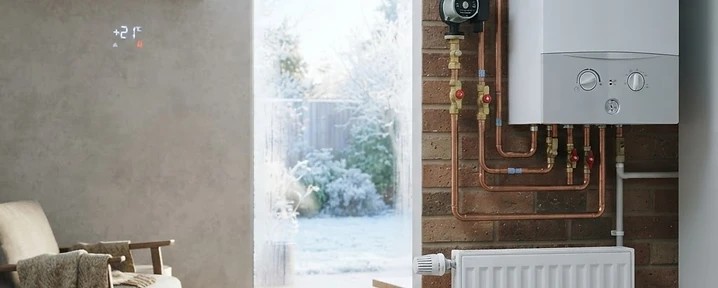
Air-to-Air vs Wet Central Heating: Zoned Inverter Efficiency Compared
Modern reverse-cycle air conditioners deliver seasonal heating efficiencies exceeding 400%, offering key cost advantages over traditional gas boilers.
Rising energy costs have encouraged British property owners to reassess how they heat and cool their premises. While wet central heating powered by gas boilers remains the UK's legacy standard, reversible air-to-air heat pumps—commonly known as split air conditioning systems—are proving to be powerful competitors for targeted thermal comfort. A primary advantage of modern split systems lies in their exceptional thermodynamic efficiency. While a new condensing gas boiler converts fuel into heat at approximately 90% to 92% efficiency, an advanced inverter air conditioning unit achieves Seasonal Coefficients of Performance (SCOP) ranging between 4.0 and 5.1. This means that for every single kilowatt-hour of electricity consumed, the system generates up to five kilowatt-hours of usable heat inside the room. Beyond headline efficiency, split air conditioning excels through room-by-room zoning. Traditional hydronic systems often warm an entire house, circulating hot water through lengthy pipe networks and uninsulated wall voids where thermal energy dissipates. In contrast, multi-split systems direct warmth precisely where it is required, bringing home offices, extensions, or bedrooms to target temperatures in minutes. When warm weather arrives, gas radiators sit dormant while homes struggle with thermal buildup. A split air conditioner seamlessly reverses its cycle, offering high Seasonal Energy Efficiency Ratios (SEER) to cool and dehumidify the living space. By deploying responsive inverter compressors that throttle output to match demand, air-to-air systems deliver precise climate management and reduced wasted energy across all four seasons.