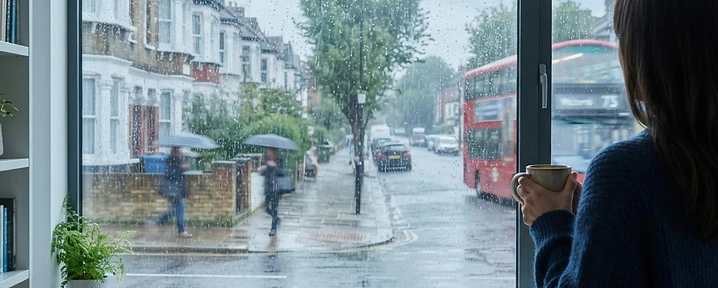
Managing Unsettled Weather: Why Adaptive Cooling is Essential for UK Homes
As the UK experiences increasingly volatile weather patterns, from sudden heat spikes to intense storms, flexible climate control is becoming a vital home asset.
The British weather has long been known for its unpredictability, but recent patterns suggest we are entering a period of heightened volatility. Meteorologists have noted that the UK is facing some of the most changeable conditions in years, with rapid transitions between intense heatwaves and heavy, storm-driven rainfall. This 'new normal' presents a unique challenge for homeowners who need to manage indoor environments that are subject to sudden shifts in temperature and humidity. While many focus solely on cooling during the peak of summer, the reality of modern UK weather is that humidity control is just as important as temperature regulation. High humidity levels, often accompanying unsettled weather, can make indoor spaces feel stifling and uncomfortable, even when the thermometer does not reach extreme highs. Advanced air conditioning systems provide the perfect solution by acting as both a cooling unit and a dehumidifier. By maintaining a stable indoor climate, these systems protect the home from the dampness associated with heavy rainfall while providing relief during the sudden heat spikes that now frequently punctuate our summers. Choosing a system with smart sensors allows for automated adjustments, ensuring that your home environment remains optimal without constant manual intervention. As weather patterns become more extreme, the ability to adapt your home’s climate is the key to long-term comfort and property resilience.
More in Weather
 Weather
Preparing for Late-Season Warmth: Why Proactive Cooling is Essential
With temperatures expected to peak in the coming days, now is the time to ensure your home is ready for the latest late-summer heat spike.
 Weather
Managing Late-Summer Heat: Why 28C Spikes Are Becoming the New UK Standard
As temperatures climb toward 28C in the southeast, homeowners are finding that traditional insulation is no longer enough to keep indoor spaces comfortable.