Record-Breaking Summer 2026: Why UK Homes Need Permanent Cooling Solutions
Following the UK's hottest summer on record, experts are calling for a shift in how we view home climate control as extreme heat becomes the new normal.
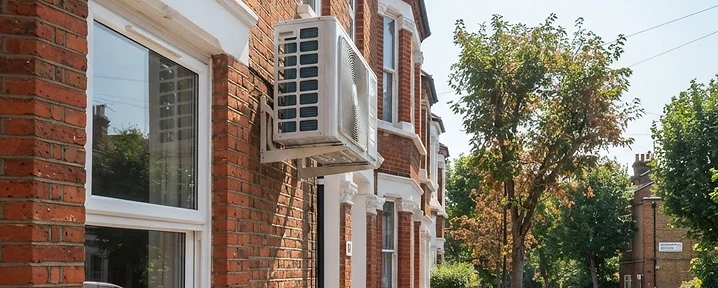
The summer of 2026 has officially entered the record books as the warmest in UK history, with a mean temperature of 16.5°C. This figure surpasses the previous record set just last year by 0.4°C, highlighting a clear and concerning trend in our national climate. For many homeowners, this season was not just a series of pleasant days, but a period of intense, prolonged heatwaves that tested the resilience of our housing stock. The most significant warmth was concentrated across England and Wales, where seasonal temperatures frequently climbed more than 2°C above the long-term average. While the UK has historically been built to retain heat—a benefit during our damp, chilly winters—this design philosophy is increasingly becoming a liability. Modern insulation, while excellent for energy efficiency, traps heat inside, turning homes into heat sinks during the summer months. As we move into autumn, the conversation is shifting from temporary relief to long-term adaptation. Relying on fans or opening windows is no longer sufficient when indoor temperatures consistently push past 30°C. The data from the Met Office confirms that these heatwaves are not isolated incidents but part of a broader, volatile pattern. For families, the elderly, and those working from home, the need for active, reliable cooling is becoming a matter of health and safety rather than mere luxury. Investing in modern air conditioning systems provides a dual-purpose solution. Today’s high-efficiency units offer precise temperature control, humidity management, and, crucially, the ability to switch to heating mode when the seasons turn. By moving away from reactive measures and towards proactive climate control, UK households can ensure their living spaces remain comfortable, safe, and resilient against the increasingly unpredictable British weather. As we look toward the future, the integration of smart, energy-efficient cooling is no longer an optional upgrade; it is a necessary evolution for the modern British home.
More in Climate
 Climate
Decoding the 2025 Climate Report: Why UK Warming Trends Demand New Home Strategies
With 2025 confirmed as the warmest year in UK records since 1884, homeowners must rethink how they manage indoor temperatures year-round.
 Climate
The New Normal: Why Met Office Data Confirms UK Climate Volatility
Recent Met Office reports highlight that extreme weather events are no longer anomalies but a permanent feature of the British climate.