
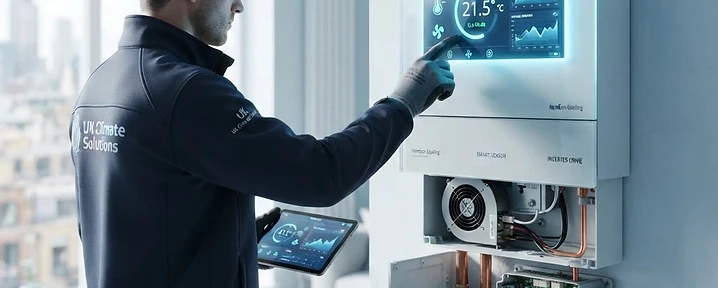
Smart Sensors and Inverter Drives Drive Next-Gen Cooling Tech
The HVAC sector is introducing intelligent climate systems that integrate smart presence sensors and predictive software to reduce domestic consumption.
Innovation in residential air conditioning is moving toward intelligent automated efficiency. New systems entering the UK market combine variable-capacity inverter compressors with smart environmental sensing, transforming how homes balance thermal comfort against electrical demand.
Traditional cooling equipment operates on fixed-cycle parameters, switching on and off abruptly once a set temperature threshold is crossed. This cyclic operation spikes energy draw and causes perceptible drafts and temperature swings. The latest generation of inverter units modulates motor speeds seamlessly across micro-increments, matching cooling or heating output directly to ambient conditions while drawing minimal baseline wattage.
Coupled with variable inverter drives are built-in thermal and motion detection sensors. These infrared matrices scan the room to locate occupants, directing conditioned air toward or away from individuals based on personal preferences. When an area becomes unoccupied, the system automatically shifts into eco-standby mode, trimming running costs without requiring manual adjustments.
Mobile app connectivity and cloud integration also enable predictive climate control. By accessing local weather forecasts, systems can initiate gentle pre-cooling during off-peak tariff periods before mid-afternoon temperature highs arrive. As British property owners increasingly seek low-carbon solutions that fit around fluctuating time-of-use tariffs, smart inverter technology ensures heating and cooling remain responsive and economical.