Active Cooling vs. Fans: Why Efficiency Matters in a Warming UK
As UK summers become more intense, we compare the effectiveness of traditional fans against modern air conditioning for long-term home comfort.
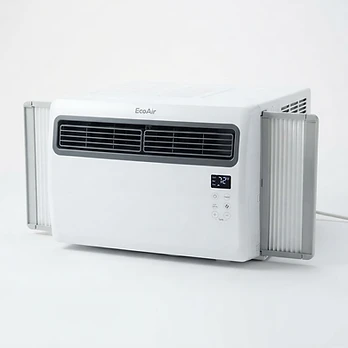
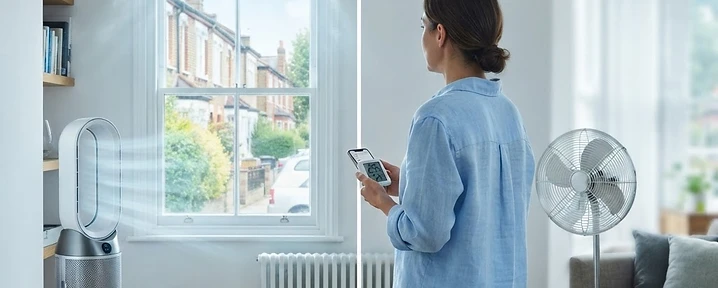
When the temperature climbs, the debate between using traditional fans and investing in active air conditioning often arises. While fans are a common, low-cost solution, they primarily work by circulating air rather than lowering the ambient temperature. In the context of the UK's increasingly humid and hot summers, this can often feel inadequate. Modern air conditioning units, by contrast, provide active cooling by removing heat and moisture from the air, creating a controlled and comfortable indoor environment. The efficiency of modern inverter-driven air conditioning systems has changed the economics of home cooling. Unlike older units that cycle on and off, inverter technology adjusts the compressor speed to maintain a steady temperature, which significantly reduces energy consumption. When you factor in the ability to dehumidify, which is crucial for comfort during humid UK heatwaves, the value proposition of air conditioning becomes clear. Fans may offer a temporary breeze, but they do not address the underlying issue of rising indoor temperatures that can impact sleep quality and overall well-being. For those looking for a long-term solution to the 'new normal' of UK weather, active cooling offers a level of resilience that fans simply cannot match. By choosing an efficient, modern system, you are not just buying a cooling device; you are investing in a year-round climate management tool that provides comfort during the hottest days and can even assist with heating during the shoulder seasons. It is a shift from reactive cooling to proactive home management.
Related in-stock units
Buy the units behind this story — in stock now, with free UK mainland delivery.