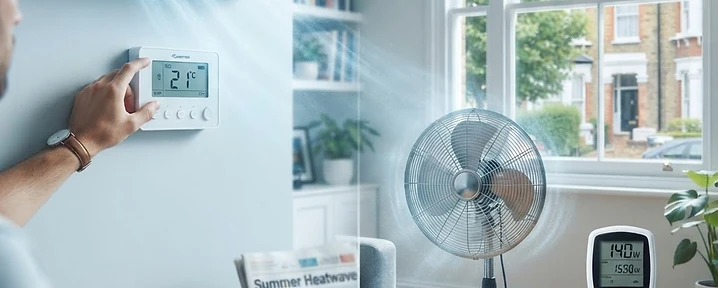
Inverter Technology vs. Traditional Fans: The Economics of Comfort
As UK summers grow hotter, we compare the long-term efficiency and cost-effectiveness of modern inverter air conditioning against traditional cooling fans.
When the temperature climbs, the instinct for many in the UK is to reach for a portable fan. While fans provide a quick, low-cost solution for immediate relief, they are fundamentally limited in their ability to manage indoor climate. As we face more frequent and intense heatwaves, the economic and comfort-based argument for modern inverter-based air conditioning is becoming increasingly compelling. Traditional fans work by circulating air, which can provide a cooling sensation through evaporation on the skin, but they do not actually lower the ambient temperature of a room. In contrast, modern air conditioning units use advanced inverter technology to precisely regulate the temperature. An inverter compressor adjusts its speed based on the cooling demand, rather than simply turning on and off like older, non-inverter models. This allows the system to maintain a consistent, comfortable temperature while using significantly less electricity. From a financial perspective, while the initial investment for an air conditioning unit is higher than a fan, the long-term running costs are often lower when considering the efficiency gains. Furthermore, air conditioning provides dehumidification, which is essential during the humid heatwaves that are becoming more common in the UK. High humidity can make 25C feel like 30C, and a fan does nothing to address this. By removing excess moisture from the air, an air conditioning unit creates a much more comfortable environment, allowing for better sleep and improved productivity. When you factor in the year-round utility of these systems—many of which can also provide efficient heating during the shoulder seasons—the value proposition becomes clear. For homeowners looking to build long-term resilience against a warming climate, moving beyond the fan is a strategic financial and lifestyle decision. Investing in inverter technology is not just about surviving the next heatwave; it is about creating a sustainable, comfortable home environment that can handle the challenges of the 21st-century climate.
Related in-stock units
Buy the units behind this story — in stock now, with free UK mainland delivery.
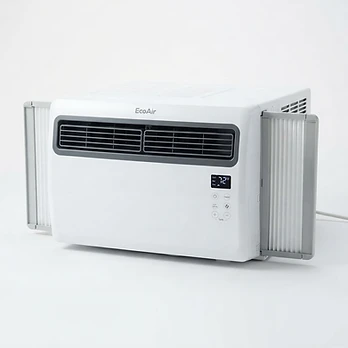
EcoAir 13000 BTU Window Air Conditioning Unit
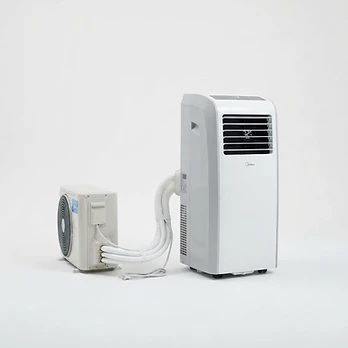
Midea PortaSplit 8000 BTU Smart Inverter Portable Split Air Conditioner

Gree Fairy 2.5kW Inverter Wall Split
More in Comparisons
 Comparisons
Why 2026 Data Shows Air-to-Air Heat Pumps are the Future of UK Comfort
With summer temperatures hitting record highs, the efficiency of air-to-air heat pumps is proving superior to traditional cooling methods.
 Comparisons
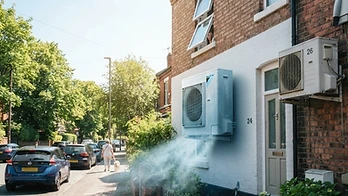
The £2,500 Grant: Why Air-to-Air Heat Pumps Are Your Best Net-Zero Move
As of April 2026, homeowners can access a £2,500 government grant for air-to-air heat pumps, making them a highly attractive option for efficient home cooling.