The Future of Cooling: Why the UK Needs a National Action Plan
Industry experts are calling for a national cooling action plan to ensure that the rise in air conditioning adoption supports, rather than hinders, our net-zero goals.
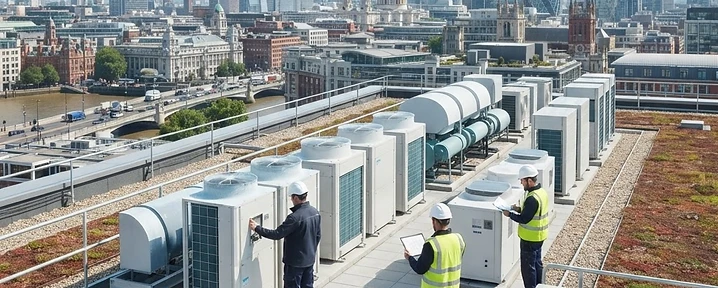
As the UK experiences more frequent and intense heatwaves, the demand for air conditioning is surging. However, this rapid adoption has prompted a call from climate experts for a more strategic, national approach to cooling. Without a coordinated plan, the country risks a fragmented rollout of cooling technology that could inadvertently drive up energy demand and greenhouse gas emissions. The current reliance on synthetic refrigerants, specifically hydrofluorocarbons (HFCs), is a particular area of concern. As the UK works to meet its international obligations to reduce these climate-warming pollutants, the cooling industry is under pressure to innovate. The transition toward more sustainable alternatives, such as propane-based heat pumps, is already gaining momentum in Europe, and there is a strong argument for the UK to follow suit. A national cooling action plan would not only address these environmental concerns but also ensure that cooling is integrated into broader building standards. This includes prioritising the installation of efficient systems in critical infrastructure like hospitals and care homes, where temperature control is a matter of public safety. For the average consumer, this shift means that the market is moving toward smarter, more sustainable products. When choosing a cooling system today, it is worth considering the refrigerant type and the energy efficiency rating of the unit. By choosing systems that align with future-proof standards, homeowners can ensure their investment remains compliant and efficient for years to come. The goal is to create a cooling strategy that protects health and comfort without compromising our collective commitment to a net-zero future.
