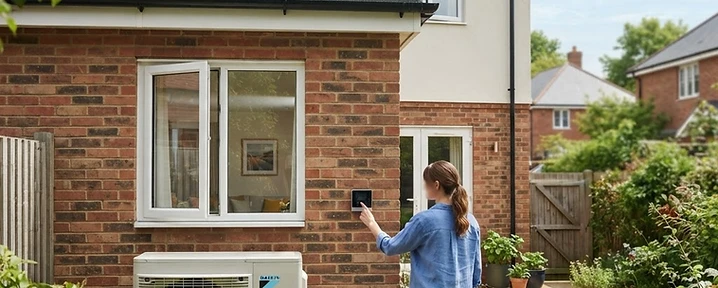
The New Normal: Why 2027 Cooling Strategies Must Prioritise Efficiency
As UK climate volatility increases, homeowners are turning to smart, inverter-based cooling systems to manage the challenges of a warming environment.
The distinction between weather and climate is becoming increasingly blurred in the UK as we experience more frequent extremes. While weather describes the day-to-day conditions, the long-term climate trends observed over the last decade confirm a clear trajectory toward warmer, more volatile seasons. The record-breaking heat of 2026, which saw temperatures consistently exceeding 30°C, has fundamentally changed the conversation around home comfort. As we approach 2027, the focus for UK homeowners is shifting from reactive measures to long-term, proactive climate management. The primary challenge for the modern UK home is the lack of thermal regulation. Many properties are built to trap heat, which is beneficial in winter but becomes a significant liability during the summer months. This structural reality, combined with rising average temperatures, means that active cooling is no longer a luxury but a necessity for maintaining a healthy living environment. When considering cooling solutions, efficiency is the most critical factor. Traditional cooling methods, such as basic fans, merely circulate air without reducing the ambient temperature or humidity, often leading to increased discomfort in humid conditions. In contrast, modern air conditioning units—specifically those utilizing inverter technology—adjust their output based on the real-time temperature of the room. This not only provides superior cooling performance but also significantly reduces energy consumption, making it a sustainable choice for the environmentally conscious homeowner. Furthermore, the integration of these systems into the home is supported by the growing availability of government-backed incentives, such as the Boiler Upgrade Scheme, which encourages the adoption of heat pump technology. By choosing a system that can handle both cooling and heating, homeowners are effectively future-proofing their properties against the volatility of the UK climate. As we look toward 2027, the goal is to create homes that are resilient to both the heatwaves of summer and the unpredictable, unsettled weather of the shoulder seasons. This requires a shift in mindset: viewing cooling as a permanent, year-round utility rather than a seasonal afterthought. By investing in high-efficiency, smart cooling systems today, homeowners can ensure their living spaces remain comfortable, safe, and energy-efficient, regardless of what the next season brings. The data confirms that the climate is changing, and the most effective response is to adopt the technology that allows us to manage that change with precision and efficiency.