Energy Efficiency and Cooling: Navigating Modern HVAC Upgrades
Choosing the right cooling solution involves balancing energy efficiency, running costs, and the specific needs of your property.
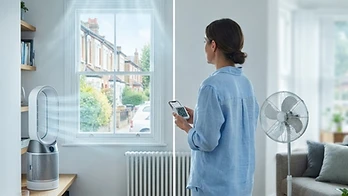
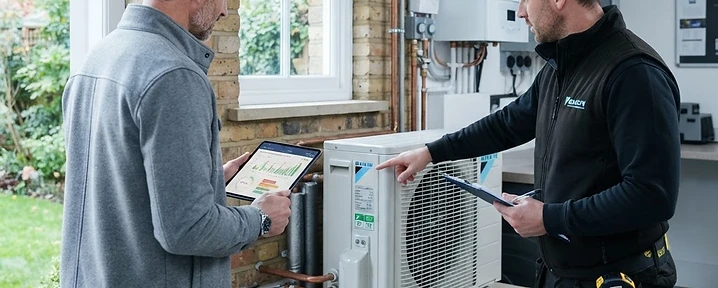
For many UK homeowners, the decision to install air conditioning is often met with concerns regarding energy consumption and running costs. However, the landscape of HVAC technology has changed dramatically in recent years. When comparing modern air-to-air heat pumps and split air conditioning systems against traditional cooling methods like portable fans or older, inefficient units, the efficiency gains are substantial. Modern systems utilise inverter technology, which allows the compressor to adjust its speed based on the cooling demand. This means the unit does not constantly cycle on and off, which is the primary cause of energy waste in older models. Instead, it maintains a steady temperature with minimal power draw. When evaluating the cost-effectiveness of these systems, it is important to consider the long-term benefits. While the initial investment for a fixed split system is higher than a portable unit, the energy savings over time, combined with the superior performance and longevity, make it a more economical choice for most households. Furthermore, many modern units are dual-function, providing both cooling in the summer and efficient heating during the shoulder seasons. This versatility allows homeowners to reduce their reliance on gas central heating, potentially lowering overall energy bills. As energy prices remain a concern for many, the shift towards high-efficiency, multi-functional climate control is a strategic move. By choosing systems with high energy ratings and smart features, consumers can enjoy a comfortable home environment without the environmental or financial burden associated with outdated cooling technology. Making an informed choice today ensures that your home is prepared for the changing climate while keeping energy usage in check.