Split Air Conditioning vs Traditional Radiators: Analysing UK Heating Economics
Comparing coefficient of performance metrics reveals how air-to-air heat pumps outmatch standard gas and oil central heating systems.
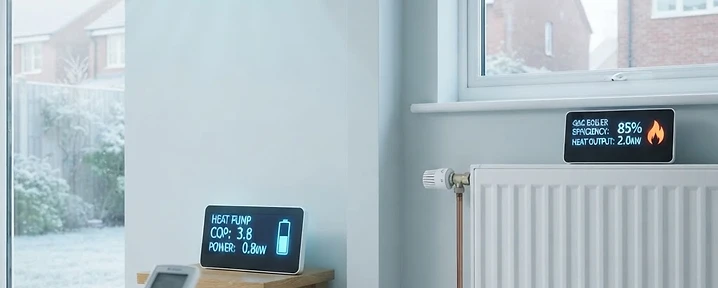
With retail energy tariffs remaining a central household concern, UK property owners are critically assessing the operational economics of air-to-air heat pumps against conventional wet central heating. Standard gas boilers typically deliver an efficiency rating between 85 and 92 percent, losing heat through flue gases and uninsulated pipework. In stark contrast, modern air-to-air heat pump air conditioning units boast a seasonal Coefficient of Performance often exceeding 4.0, which means every single kilowatt of electricity consumed generates upwards of four kilowatts of usable heat inside the home. Furthermore, split systems deliver targeted zone heating within minutes, avoiding the prolonged warm-up periods and system inertia required by water-filled radiators. This granular control allows occupants to condition only occupied rooms, eliminating the cost of warming empty spaces. When warmer weather arrives, the same unit switches seamlessly to provide precision refrigeration cooling, a capability entirely absent in wet radiator networks. When paired with smart time-of-use electricity tariffs or domestic rooftop solar panels, air-to-air heat pumps present a compelling financial and operational case for homeowners looking to future-proof their properties.
Related in-stock units
Buy the units behind this story — in stock now, with free UK mainland delivery.

Gree Fairy 2.5kW Inverter Wall Split

Samsung FJM AJ080TXJ4KG/EU 8.0kW Quad-Zone Outdoor Unit